Archaeology
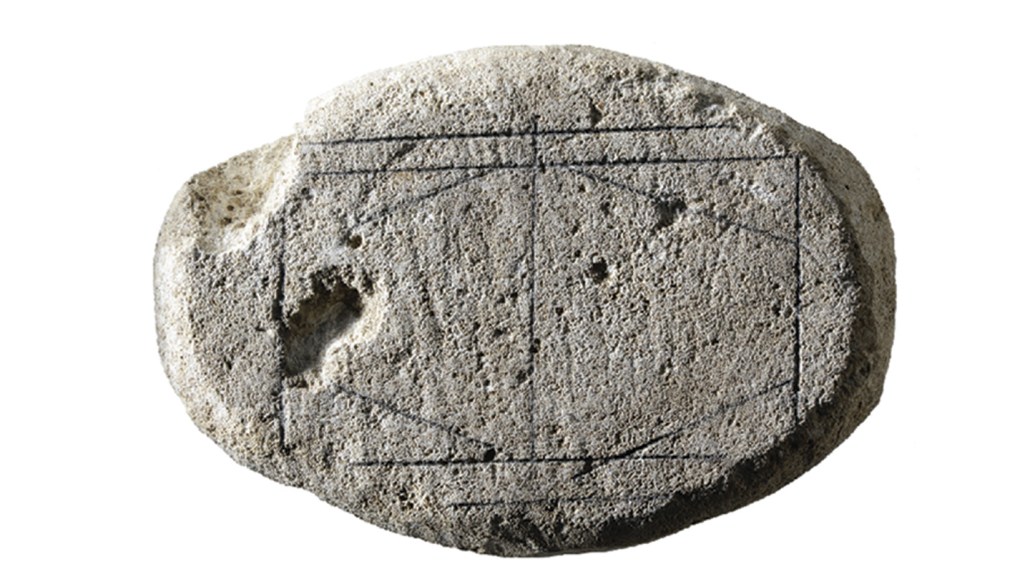
AI helps archaeologists solve a Roman gaming mystery
Researchers used AI-driven virtual players to test more than 100 rule sets, matching gameplay to wear patterns on a Roman limestone board.
By Tom Metcalfe
We summarize the week's scientific breakthroughs every Thursday.
The robot can bend, grasp and carry in ways humans can’t, which could help it navigate spaces too confined for human arms.
Nicola Dell, a computer scientist studying the role of technology in intimate partner violence, cofounded the Center to End Technology Abuse.
Machine learning techniques that make use of tensor networks could manipulate data more efficiently and help open the black box of AI models.
A mosquito proboscis repurposed as a 3-D printing nozzle can print filaments around 20 micrometers wide, half the width of a fine human hair.
A peer-reviewed paper about Chinese startup DeepSeek's models explains their training approach but not how they work through intermediate steps.
Chatbots that dole out fact-laden arguments can sway voters. Those facts don’t have to be true.
People who use search engines develop deeper knowledge and are more invested in what they learn than those relying on AI chatbots, a study reports.
Some “clicks” made by sperm whales may actually be “clacks,” but marine biologists debate what, if anything, that means.
From blaming the victim to replying "I have no interest in your life" to suicidal thoughts, AI chatbots can respond unethically when used for therapy.